When selecting a solar security camera, there are several factors to consider. Here are some important features to look for:
1. Power source: Ensure that the camera has a reliable solar power source. Look for models with high-quality solar panels and efficient batteries to ensure continuous operation, even during cloudy or low-light conditions.
2. Video quality: Opt for cameras that offer high-definition (HD) or full HD video resolution. This will allow you to capture clear and detailed footage for better identification and analysis.
3. Storage options: Consider the available storage options provided by the camera, such as local storage in an SD card or cloud storage. Determine if the camera allows for easy access to recorded videos and how long the footage can be stored.
4. Connectivity: Check if the camera has wireless connectivity options like Wi-Fi or cellular connection to transmit data and enable remote viewing and control through a mobile app or web portal.
5. Motion detection and alerts: Look for cameras equipped with motion sensors that trigger recording when movement is detected within the camera’s field of view. It should also have the ability to send real-time notifications or alerts to your smartphone or email.
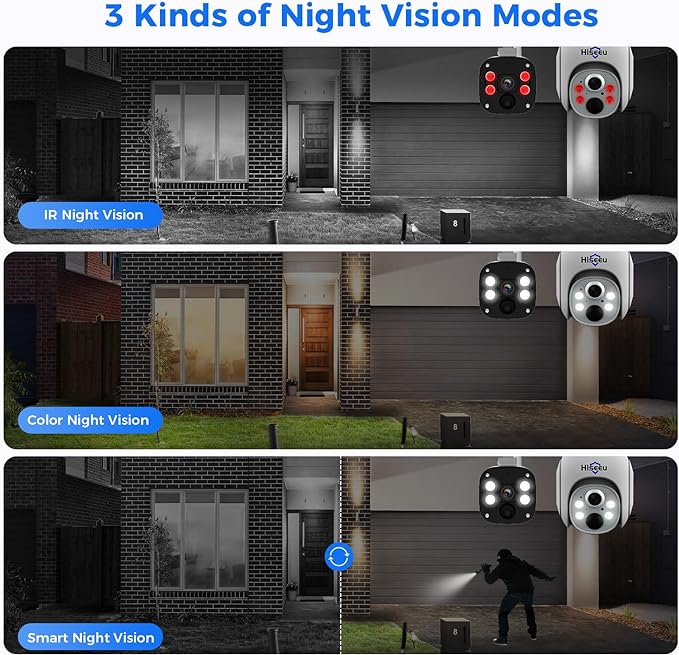
6. Night vision capability: Ensure that the camera has infrared (IR) LEDs for clear monitoring in low-light conditions or at night. This is important to maintain surveillance effectiveness 24/7.
7. Field of view and adjustable mounting: Consider the angle of coverage provided by the camera’s lens and make sure it matches your specific monitoring needs, whether it’s a wide-angle view or more focused coverage in certain areas. Also, check if the camera comes with an adjustable mounting system for versatile installation on walls, poles, or other surfaces.
8. Weatherproof rating: Verify if the camera is weatherproofed with an appropriate IP (Ingress Protection) rating, indicating its resistance against dust, water, and extreme environmental conditions such as heavy rain or intense sunlight.
9. Two-way audio: Some solar security cameras offer two-way audio capabilities, allowing you to communicate with people in the camera’s vicinity. If this is a feature you require, ensure it is available.
10. Integration and compatibility: Consider the camera’s compatibility with existing smart home systems or other security devices you may have. Look for models that can easily integrate with popular platforms like Amazon Alexa or Google Assistant.
11. Ease of installation and setup: Lastly, check if the camera comes with a user-friendly installation process, including clear instructions and accessible customer support for any troubleshooting needs.
Considering these factors will help you choose a solar security camera that meets your specific surveillance requirements while providing reliable performance and peace of mind.